
Safety
What Weight Capacity Should a Professional Event Stage Support
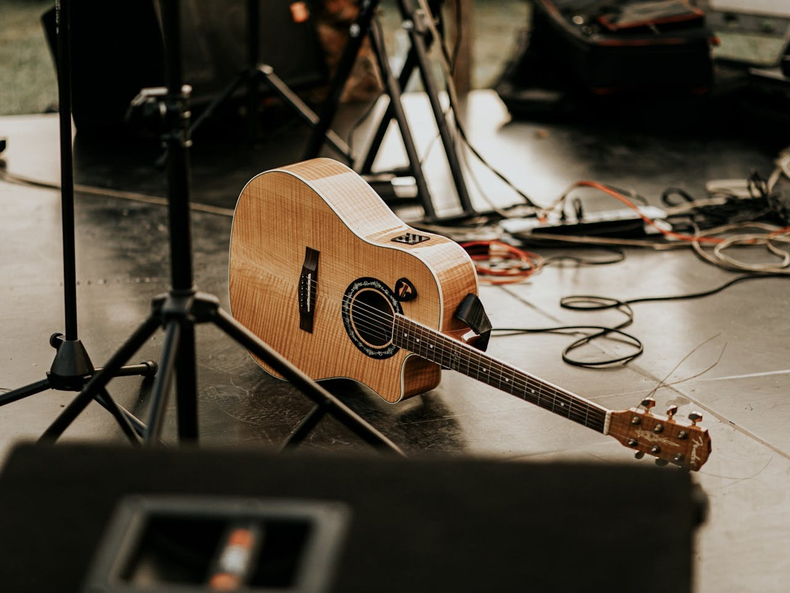
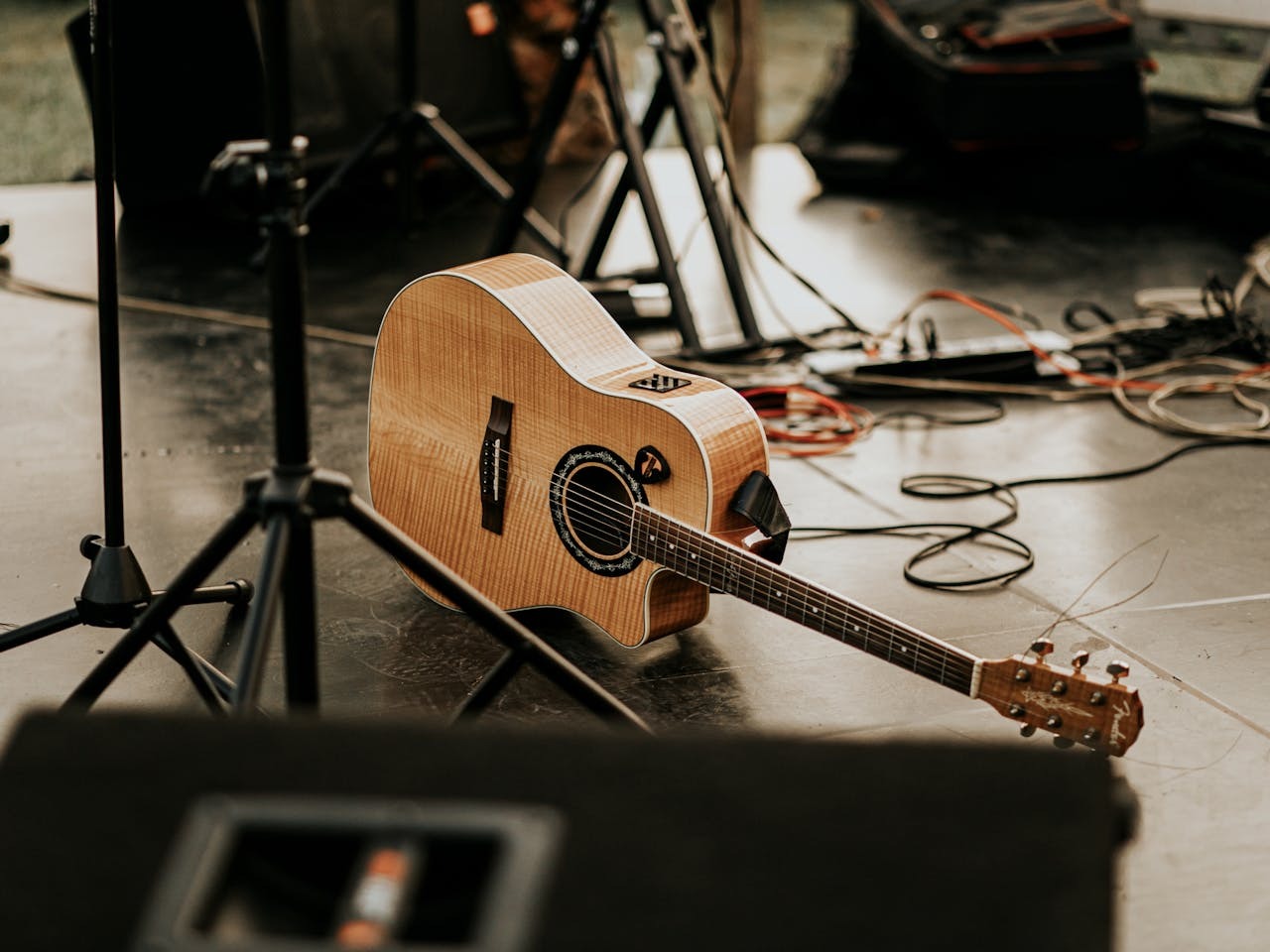
If a stage flexes the moment a drummer steps on it, the crowd notices. If it creaks when a group gathers for photos, people get nervous. And if it fails, even slightly, the entire event is at risk. Weight capacity is not just a technical spec buried in a product sheet. It is the difference between a solid, confident setup and one that feels unsafe.
When we plan events, we often focus on height, lighting, and layout. But strength matters just as much. Every person, speaker, instrument, and piece of equipment adds to the platform's stress. That is why one of the first questions we should ask is how much weight a portable stage can hold and whether its weight capacity matches our real-world needs. Understanding stage load capacity helps us avoid injuries, protect equipment, and choose platforms that perform reliably under pressure. With a few simple rules and precise numbers, we can select stages that feel stable and professional every time.
Key Highlights
- Always check the stage weight rating before planning layouts.
- Small meetings require lower capacity, while concerts require higher capacity.
- Calculate the number of people plus equipment for an accurate stage capacity calculation.
- Dynamic movement increases stress beyond static loads.
- Look for platforms with a higher safe stage load limit for greater flexibility.
- Follow stage safety weight limits to reduce risk and liability.y
- Smart buying stage by load rating saves money long term
Why Stage Weight Capacity Is a Safety Issue First, Not a Specs Detail
Before we talk numbers, we need to think about what happens when a stage is underbuilt. Weight capacity is not about convenience or comfort. It is about safety. A stage that cannot handle its load can bend, bounce, or shift. Even minor movement distracts performers and unsettles the audience.
When a platform feels solid underfoot, everyone relaxes. Presenters walk confidently. Bands move freely. The event looks professional. That confidence comes directly from adequate portable stage weight capacity and clear stage safety weight limits.
Stability Builds Confidence
A strong deck distributes weight evenly. There is no sagging in the middle and no wobble at the edges. When we choose the correct portable stage weight capacity, the surface feels like a permanent floor rather than a temporary structure. That stability improves performance and reduces fatigue because people are not constantly adjusting their footing.
Liability, Insurance, and Event Risk
There is also a practical side. Injuries and damaged equipment create legal and financial headaches. Ignoring the safe stage load limit increases risk and can affect insurance coverage. Choosing a platform that comfortably exceeds expected loads is one of the simplest ways to protect both guests and organizers.
How Much Weight Can a Portable Stage Hold? Understanding Standard Ratings
Most manufacturers group stages into general strength categories. These ranges help answer the common question, How much weight can a portable stage hold, without complicated calculations.
Light Duty (Meetings, Speakers, Podiums)
Light-duty platforms are designed for simple use cases. A podium, one or two presenters, and minimal equipment. These stages usually have lower weight ratings, but they are perfectly fine for conferences, lectures, and small ceremonies. They are easy to move and quick to set up.
Medium Duty (Choirs, School Events, Panels)
Medium-duty stages support multiple people at once. Think of school performances, panels, or group presentations. Here, the stage load capacity must handle several adults standing together, sometimes moving around. This level covers many everyday events and provides a good balance of strength and portability.
Heavy Duty (Bands, Drum Kits, DJ Rigs)
Music events change everything. Drums, amplifiers, speakers, and lighting add significant weight. Movement, such as jumping or dancing, increases stress even more. In these situations, heavy-duty stage platforms are essential. A higher portable stage's weight rating keeps the deck solid even under demanding conditions.
What Counts Toward Stage Weight? Most Planners Underestimate This
A common mistake is only counting people. In reality, equipment often weighs more than the performers themselves. Every item placed on the deck adds to the total.
The people on the load include presenters, musicians, crew members, and anyone stepping onto the stage. Equipment load includes speakers, racks, lighting stands, drum kits, trusses, and cables. Together, these loads determine the real stage load capacity you need.
There is also a difference between static and dynamic forces. Standing still creates static weight. Jumping, dancing, or moving quickly creates dynamic forces that increase stress. These extra forces must fit within your stage safety weight limits to keep the structure secure.
Stage Capacity Calculation Made Simple
You do not need engineering software to estimate capacity. A straightforward stage capacity calculation can give you a reliable answer.
Step 1: Measure the Deck Area
Start by measuring the total square footage of your stage. Multiply length by width to find the area. This number helps you compare capacity ratings, which are often listed per square foot.
Step 2: Estimate Total Weight
Add the weight of all people and equipment. Be realistic. Include everything that might be placed on the platform during the event. This gives you your expected load.
Step 3: Add a Safety Margin
Never plan right at the edge. Choose a platform with a higher safe stage load limit than your estimate. This buffer accounts for movement, shifting, and unexpected additions. That extra strength provides peace of mind.
Event Type and Recommended Load Ratings
Different events create different stresses. Matching capacity to the event type keeps your setup safe and efficient.
Corporate Events and Presentations
These setups typically involve a few people and light gear. A moderate stage weight rating works well. The focus is visibility, not heavy equipment.
School Assemblies and Performances
Schools often place groups of students on stage at the same time. The portable stage's weight capacity should support multiple people standing close together. Medium-duty options usually fit this scenario.
Concerts, Bands, and Touring Gear
Concerts demand the most strength. Heavy instruments and energetic movement quickly increase stress. A higher portable stage for bands' weight rating, combined with heavy-duty stage platforms, helps prevent bounce and flex, even during active performances.
Why Heavy Duty Stage Platforms Are Worth It
Some planners hesitate to choose stronger platforms because they cost more upfront. In practice, heavier-duty designs often save money over time. They last longer, handle more situations, and reduce the need for multiple stage sets. Heavy-duty stage platforms provide extra rigidity and durability. They can support heavier gear today and unexpected loads tomorrow. When we think about buying stage by load rating, choosing a higher capacity often means we will not need to upgrade later. That flexibility is valuable, especially for venues that host a wide range of events.
Stage Weight Rating vs Real-World Use
Many people misread ratings. Some assume the number applies to the entire stage when it may apply per deck or per square foot. Others forget that ratings are usually based on static weight, not movement.
Understanding the difference between the listed stage weight rating and actual stage load capacity in real-world use helps avoid mistakes. Always consider how the stage will actually be used, not just the printed number.
Stage Safety Weight Limits and Compliance Basics
Even the strongest platform needs proper setup. Even weight distribution, secure connections, and stable legs all matter. Exceeding stage safety weight limits or ignoring setup guidelines increases risk.
Respecting the safe stage load limit ensures the structure performs as designed. When the load is spread evenly and the stage is properly assembled, strength ratings are more reliable and safety improves.
Buying Stage by Load Rating – What to Check Before You Order
Choosing a stage should never come down to price alone. A lower price tag might look attractive at first, but if the platform cannot safely support your equipment and crew, the savings disappear quickly. When we evaluate staging options, strength and reliability must come first. Focusing on buying stage by load rating helps us choose equipment that performs consistently under real-world pressure rather than just meeting the minimum requirement on paper.
Frame and Deck Construction
Start with the basics. The frame is the backbone of the stage. Look for strong aluminum or steel structures that resist bending under stress. Deck thickness also matters. Thicker, reinforced panels distribute weight more evenly and reduce flex. A higher portable stage weight capacity only means something when the materials are built to support it. Lightweight decks may work for speeches but struggle under heavier loads.
Legs, Bracing, and Stability
Next, check the legs and support system. Adjustable legs should lock firmly and feel stable on uneven surfaces. Cross-bracing and secure connections prevent side-to-side movement. A stage with a high stage weight rating but weak legs can still wobble. Stability should feel solid the moment someone steps on.
Testing Standards and Real-World Use
Finally, consider how the stage is tested. Look for clear numbers and verified stage load capacity. Choose equipment that can handle your most demanding event, not just your smallest one. Planning this way avoids last-minute upgrades and gives you confidence every time you set up.
Common Weight Capacity Mistakes to Avoid
Even experienced planners can make simple mistakes when estimating loads. Weight capacity often gets decided late in the planning process, which leads to rushed decisions. These shortcuts usually create problems that only appear during setup or, worse, in the middle of the event. Slowing down and thinking through the numbers helps us stay within safe limits and deliver a smooth experience.
Guessing Instead of Calculating
One of the biggest issues is guessing. It is easy to assume a few people and some gear will not weigh much. In reality, small underestimates add up quickly. Without a proper stage capacity calculation, planners may exceed the stage safety weight limits without realizing it. A quick estimate of total people, equipment, and square footage gives far better results than guesswork.
Forgetting Equipment and Movement
Another common mistake is only counting people. Speakers, lighting, drum kits, and racks can weigh more than performers. Movement also increases stress on the platform. Dancing or jumping can push loads beyond the listed safe stage load limit, even if the static weight seems fine.
Choosing the Cheapest Option First
Finally, selecting the lowest-priced stage without checking how much weight can a portable stage hold often leads to instability. Spending a little more for stronger construction prevents bounce, flex, and emergency fixes during the event.
FAQs
1. How much weight can a portable stage hold per square foot?
Most stages list a per-square-foot stage weight rating, which can range from light duty to heavy duty depending on design.
2. What is a safe stage load limit for a band?
For music setups, choose a higher safe stage load limit that accounts for instruments, speakers, and movement.
3. Do heavier platforms last longer?
Often yes, because heavy duty stage platforms are built with stronger frames and materials.
4. How do I perform a stage capacity calculation?
Use total area, estimate weight, and add a buffer for a simple stage capacity calculation.
5. What capacity should schools look for?
A moderate portable stage weight capacity that supports multiple students and equipment is usually ideal.
6. Should I focus on buying stage by load rating first?
Yes, buying stage by load rating ensures safety and flexibility before considering other features.
Wrapping Up
Weight capacity is not just another number on a spec sheet. It directly affects safety, stability, and the overall feel of your event. When we calculate loads carefully and choose platforms with strong stage load capacity, we avoid surprises and create a solid foundation for every performance.
If you want dependable staging that handles real-world demands, check out My Stage. Their professional-grade platforms are built with strong frames and tested ratings so you can set up confidently, whether you are hosting a small meeting or a full band. Choose the right load rating, invest once, and run every event with peace of mind.