
Setup and leveling
Adjustable Legs and Rock Solid Stages on Uneven Floors
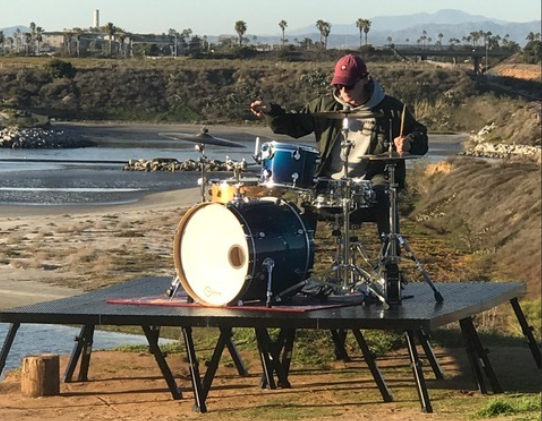
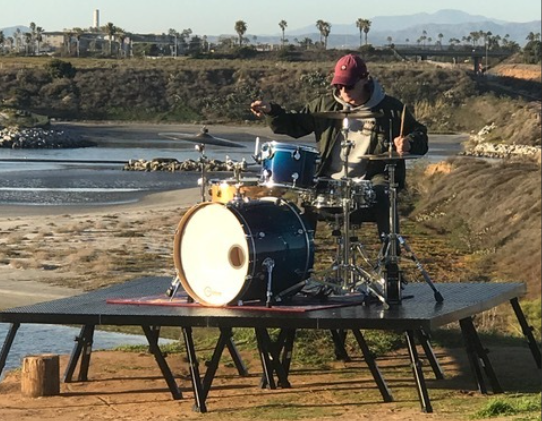
Ever watched a presenter step up and the whole platform gives a little wiggle? Your stomach drops. The audience notices. The talent notices more.
Uneven floors happen everywhere. Hotel ballrooms with soft spots. School gyms with old seams. Outdoor plazas that look flat until you put a level on them. The fix is not luck. It is smart gear and a setup routine your crew can repeat every time.
Key Highlights
- Adjustable stage legs let you correct small floor problems fast, before anyone steps up.
- Leveling portable stage systems is easier when height changes are simple, repeatable, and built into the legs.
- Angled legs and a center support leg reduce sway and bounce, which is huge on busy stages.
- Portable stage leveling feet with non slip pads help grip the floor and protect surfaces at the same time.
- Buying stage with adjustable legs is about safety first, then speed, then how clean the whole setup looks for your client.
Adjustable Stage Legs
Adjustable stage legs are not a fancy add on. They are a stability tool. When the floor slopes even a little, a fixed leg stage forces you into shims, improvising, and crossed fingers. That is how stages get bouncy, and edges get sketchy.
With adjustable stage legs, you can bring the deck to level instead of pretending the floor is perfect. MyStage offers adjustable legs designed to level the platform on most surfaces, which is exactly what event work demands.
And here is the part planners love. When the system levels quickly, your schedule stays intact, and your crew stops fighting the room.
Stage Setup Uneven Floors
Stage setup with uneven floors is where most problems start. The stage itself might be strong, but if one corner is floating or one leg is loaded harder than the others, you feel it immediately.
Common uneven floor issues we see all the time
- Carpet seams or padding that compresses differently across the footprint
- Tile transitions where one section sits higher
- Concrete that has a gentle slope toward drains
- Outdoor pavers that shift over time
- Temporary flooring panels that are not locked tight
If you build on top of any of that, the stage needs adjustability built in. Otherwise, you end up chasing wobble all day.
We lean into this reality with legs that adjust and micro height settings up to 28 inches, plus a minimum height option with legs stored under the deck. That range helps you match the room and still get level.
Adjustable Height Stage
An adjustable height stage is not only for sightlines. Height adjustability is how you level, how you match stairs, and how you keep the deck safe when the floor changes across the footprint.
MyStage lists micro settings up to 28 inches max height, with a 17 inch minimum when legs are at the lowest setting, and a low profile minimum height when legs are stored under the deck. That gives you options for everything from low risers to taller platforms.
If your calendar includes mixed venues, height flexibility saves you from owning multiple stage systems.
Leveling Portable Stage
Leveling portable stage work should feel routine, not stressful. The goal is a flat, stable surface that stays put when people move. You want the stage to feel like part of the building.
Here is what makes leveling portable stage setups easier
- Legs that adjust quickly without hunting for tools
- A deck design that stays rigid once you lock it in
- A connection method that keeps multiple decks aligned
- Support that reduces bounce in the center, where people naturally gather
MyStage is built around fast setup with no tools and quick adjustments to level if necessary, which is exactly what you want when a venue flips a room, and you get a short load in window.
Stage Stability Solutions
Stage stability solutions are rarely one single feature. Stability comes from a system working together.
The stability stack we trust
- The leg design reduces lateral movement
- The deck has enough rigidity to resist flex
- The center has support to reduce bounce
- The connections keep decks from shifting apart
- The foot pads grip and protect the floor
MyStage's angled legs reduce lateral movement or swaying, plus a fifth leg in the center to reduce deflection and bounce. Those two features solve a lot of the real world wobble complaints we hear about modular stages.
When you combine that with adjustable legs, you get a platform that stays steady even when the venue floor is not doing you any favors.
Stage Balance Systems
Stage balance systems sound technical, but the idea is simple. Every leg should share the load correctly. If one leg is barely touching, you get movement. If one leg is overloaded, you get flex and stress.
A good balance routine looks like this
- Set the footprint where you want it first
- Get the deck close to level by eye
- Adjust legs in small increments, working corner to corner
- Step on the deck in different spots and watch for movement
- Recheck after you connect multiple decks
MyStage decks connect using wingnut connectivity, so once you have one unit dialed in, expanding the footprint stays straightforward.
That matters for choirs, dance recitals, panel seating, and band risers, where you are building multiple units into one clean platform.
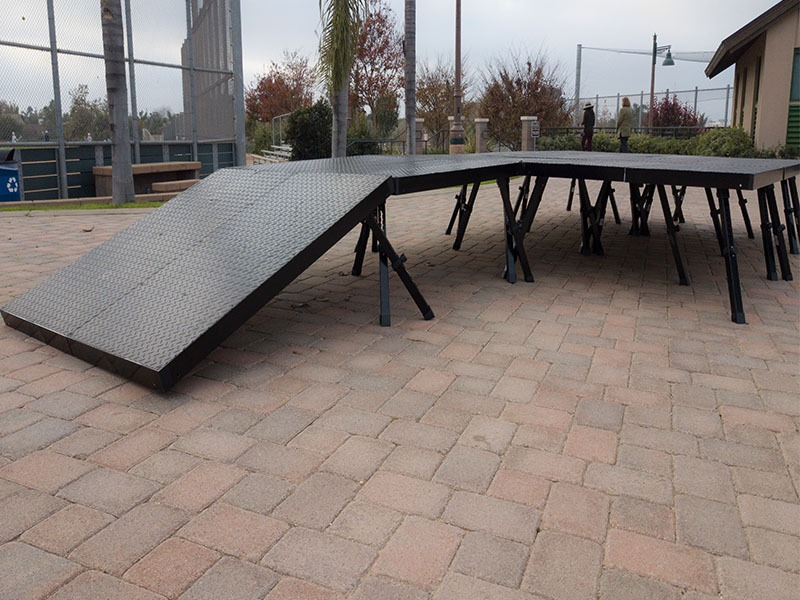
Portable Stage Leveling Feet
Portable stage leveling feet are the unsung heroes. The foot pad is where the stage meets the world. A solid pad helps with grip, reduces slip risk, and can prevent floor damage.
MyStage accessories like Shorties have rubber non slip foot pads, and our Step Up accessory has rubber non slip foot pads designed to prevent slipping and protect floors.
If you work in venues that care about scuffs, those pads are not optional. They are how you keep relationships strong with facility managers.
Uneven Ground Stage Setup
Uneven ground stage setup is where adjustable legs really earn their keep. Outdoors, you rarely get perfect flat concrete. Even indoor spaces can feel outdoorsy in older buildings or temporary structures.
A few practical moves that help on uneven ground
- Start with the flattest area available and rotate the layout if needed
- Keep the stage footprint reasonable for the terrain
- Use adjustable legs to correct slope, not to fight big holes
- Build bigger stages by leveling each deck, then connecting
- Add stairs and rails when the height increases or foot traffic is heavy
MyStage system creates a flat, level, stable surface quickly, and it is designed to connect as many units as you want without tools. That makes uneven ground setups more manageable because you can build in sections and keep control of the level as you go.
Safe Stage Leveling
Safe stage leveling is not only about comfort. It is about preventing trips, slips, and off balance steps at the edge. This is where planners protect people and protect the event.
Our safety checklist before anyone uses the stage
- Confirm the deck is flat and does not rock at any corner
- Confirm connectors are tight and the decks cannot separate
- Confirm stairs are stable and aligned with the deck height
- Keep edges clear and add rails where needed
- Recheck after sound check and again before doors open
Our stability features, like the center leg and angled legs, plus accessories like stairs and railings, create a complete setup. That combination supports safer use, especially when you are working at taller heights.
Also, do not skip load guidance. MyStage provides load ratings and certifications in our technical information, which is a good habit for any stage system you spec for public events.
Buying Stage With Adjustable Legs
Buying stage with adjustable legs is one of those decisions that pays you back every single event. You save time on setup. You reduce risk. You look more professional because the stage feels solid and looks level.
Here is what we recommend you compare when shopping
- Adjustment range and how fine the settings feel
- How fast a crew can level one deck
- Leg design that reduces sway
- Center support that reduces bounce
- Connection method for multi deck builds
- Portability, storage footprint, and whether parts stay attached
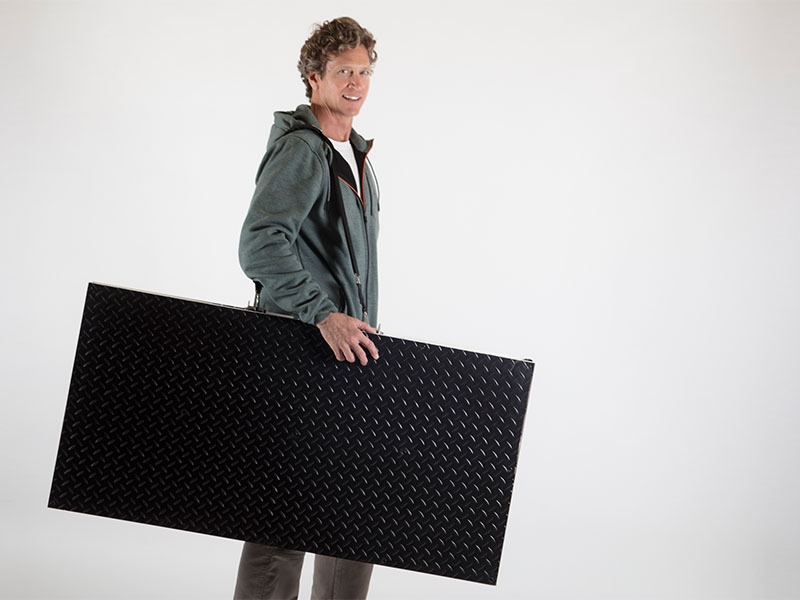
MyStage system is designed to fold in half to a compact size, comes with a shoulder strap, sets up in about a minute with no tools, and uses adjustable legs to level on most surfaces.
If you run events back to back, that speed and consistency is not a nice to have. It is how you keep your team fresh and your client calm.
Adjustable Stage Legs Options For Different Event Heights
Not every event wants the same height. Sometimes you want low and subtle for a corporate room. Sometimes you need taller for sightlines at a community concert.
We support different leg options, including Shorties that adjust between 8 and 10 inches, and Biggies that extend height up to 3 feet with multiple settings.
That means you can keep the same deck system and swap leg sets when the event demands a different look or a different sightline plan.
Stage Stability Solutions That Keep The Show Moving
Let's talk reality. A stage that takes forever to level becomes a stage that people rush. Rushed leveling is where safety gets sloppy.
A good system helps you do the right thing quickly. Our tool-free setup and fast leveling adjustments, plus stability features like angled legs and a center leg, reduce sway and bounce.
When your gear supports good habits, your crew gets consistent results.
Final Thoughts
Uneven floors are not going away. The question is whether your staging can handle them without drama.
Adjustable stage legs, a smart leg design that fights sway, and real support under the center of the deck are what turn a shaky platform into a confident performance space. If you want fewer surprises and faster load ins, start prioritizing leveling features the same way you prioritize size and appearance.
If you are ready to upgrade, check out MyStage portable stage platforms and leg options. You get a modular system built for quick setup, easy leveling, and stability features that make uneven rooms feel like a proper venue.
FAQs
1. What is the fastest way to handle stage setup uneven floors?
Set the deck position first, then adjust the legs corner to corner in small steps. Once the deck stops rocking, do a quick bounce check near the center and along the edges before anyone steps up.
2. Do adjustable stage legs really help indoors, or is this mostly an outdoor issue?
They help indoors constantly. Carpet compression, floor seams, and gentle slopes are common in ballrooms and auditoriums. Adjustable legs let you level without shims and guesswork.
3. What makes a portable stage leveling feet design safer?
Rubber non slip foot pads improve grip and reduce sliding risk. They also help protect venue floors, which is a big deal for repeat bookings.
4. How do we reduce wobble when building a larger stage?
Use stage stability solutions that include angled legs to reduce lateral movement and a center support leg to reduce bounce. Then connect decks securely so the footprint acts like one platform.
5. What should we look for when buying stage with adjustable legs for frequent events?
Look for fast tool free setup, a clear adjustment range, stable leg geometry, strong deck construction, and an easy way to connect multiple units. MyStage offers quick setup, adjustable legs for leveling, angled legs, and a center leg for stability.