
Choosing a stage
How to Choose the Right Portable Stage Height for Any Event
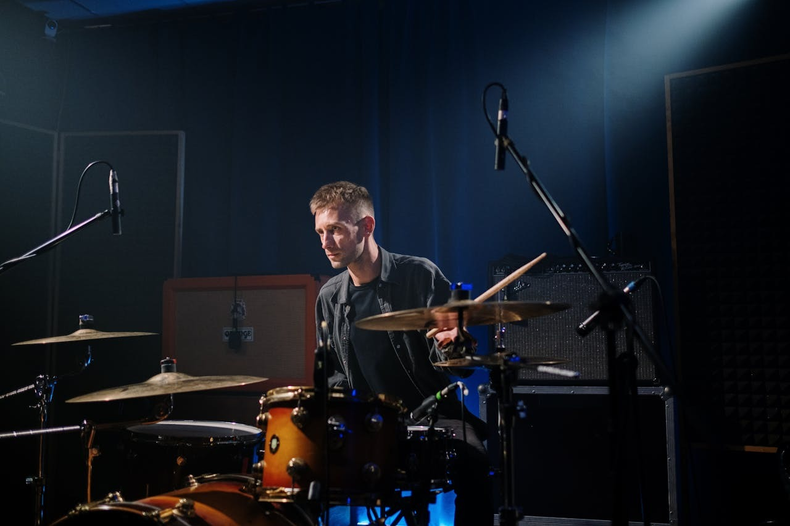
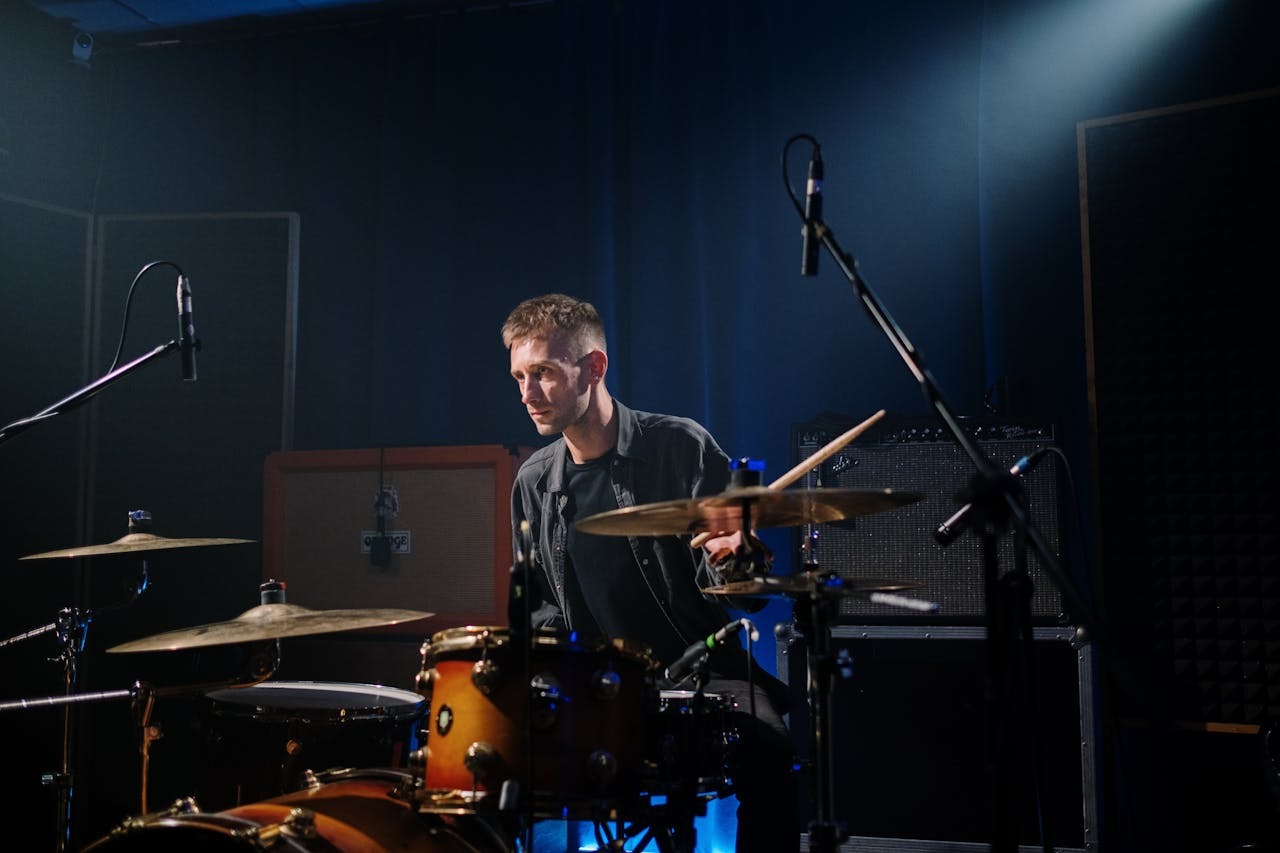
If your audience has to lean, stand, or shuffle around just to see the speaker, the event already feels disorganized. We have all watched it happen. A presenter starts talking, and within minutes, half the room is adjusting their seats or craning their necks. The sound might be perfect. The lighting might be great. But if the platform is too low or awkwardly tall, the experience falls apart.
Stage height is one of the most overlooked decisions in event planning, yet it has a significant impact on visibility, safety, and overall professionalism. The good news is that we do not need complicated math or exceptional engineering to get it right. With a few standard ranges and some practical rules, we can quickly determine the appropriate height for a stage in any room or outdoor space. This portable stage height guide walks through those ranges, explains why they work, and helps you choose the best stage height for events of all sizes with confidence.
Key Highlights
- Most small indoor meetings work well at 6 to 12 inches.
- 12 to 16 inches fits the majority of school and corporate events
- Larger crowds and outdoor setups often need 24 to 32 inches.
- Clear sightlines improve stage height for better audience visibility.y
- Systems with adjustable stage height offer greater flexibility.
- Following event stage height rules improves safety and stability.
- Smart buying a portable stage by height prevents costly mistakes
Why Stage Height Matters More Than Most Event Planners Think
When we think about staging, it is easy to focus on sound systems, lighting rigs, or backdrops. Height often feels like an afterthought. In reality, it sets the tone for the entire event. The platform becomes the visual anchor. Every eye is drawn toward it. If people struggle to see, their attention drifts.
The right height does three important things at once. It improves visibility, increases safety, and creates a clean, professional look. Even a slight change of a few inches can make a big difference in how clearly a speaker or performer stands out from the crowd.
Visibility Drives Engagement
Events work best when everyone has a clear line of sight. When a stage sits too low, the first few rows block everyone behind them. People lose focus quickly because they feel disconnected. Raising the platform increases stage height, improving audience visibility and helping the speaker feel present while keeping the audience engaged.
In many situations, simply choosing the best stage height for events based on crowd size and seating layout solves most visibility problems without adding extra equipment.
Safety, Stability, and Professional Appearance
Height is also tied to safety. A platform that is too tall without proper access feels risky. One that is too low can create trip hazards because people do not notice the edge. Following basic event stage height rules, such as using stable legs, non-slip surfaces, and proper stairs or ramps, helps everyone feel secure.
A well-sized stage looks intentional and polished. It sends a message that the event is planned, not thrown together at the last minute.
What Height Should a Portable Stage Be?
One of the most common questions we hear is simple- what height should a portable stage be? Fortunately, most events fall into predictable categories. Standard height ranges handle nearly everything.
6–8 Inches – Small Rooms and Classroom Setups
This lower range is ideal for intimate spaces. Think training sessions, small meetings, or classrooms where everyone sits close to the front. A slight lift defines the presentation area without needing stairs or guardrails.
A modest indoor stage height of just a few inches is often enough to create separation between the speaker and the audience while keeping the setup safe and straightforward.
12–16 Inches – Most Indoor Events
This is the sweet spot for many planners. School assemblies, banquets, church events, and corporate presentations usually work perfectly within this range. At a foot or slightly higher, presenters are clearly visible over tables and chairs.
For many venues, this mid-range is the best stage height for events, balancing visibility with easy access. It is tall enough to make an impact but low enough to avoid complicated safety requirements.
24–32 Inches – Large Crowds and Outdoor Use
As crowds grow or venues move outdoors, we often need more elevation. Taller platforms help presenters stand above rows of people and equipment. This is especially useful when the audience is standing or the ground is uneven.
A higher outdoor stage height also increases the space for speakers, musicians, and performers who need more room and a more substantial visual presence.
How Audience Size Changes the Height You Need
Audience size directly affects sightlines. The more people you add, the more heads block the view. Planning for the back row, not just the front, keeps everyone involved.
For groups of fewer than 50 people, lower heights usually work fine. Everyone is close enough that even a small lift improves clarity. Once you move into the 50-150 range, mid-height platforms provide better balance. At this point, stage height for audience visibility becomes more important.
For 150 or more people, taller stages are often necessary. Without added elevation, the people in the back may only see shoulders and backs. Choosing the best stage height for events based on expected attendance prevents this problem before it starts.
Indoor vs Outdoor Stage Height Differences
Indoor and outdoor events behave very differently. The same stage that looks perfect in a ballroom might feel too short in a park or parking lot.
Indoor Stage Height Considerations
Inside, floors are typically flat, and seating is organized. That means we can often use moderate indoor stage height and still achieve excellent visibility. We also need to think about ceiling height, lighting rigs, and projection screens. Going too tall indoors can feel cramped or awkward.
Because conditions are controlled, we can stay within the low to mid ranges and still get excellent results.
Outdoor Stage Height Considerations
Outside, we face uneven terrain, grass, gravel, and changing weather. People may stand rather than sit. All of this reduces sightlines. A taller outdoor stage height helps compensate for these challenges.
More height also protects equipment from dirt and moisture and keeps cables away from foot traffic. For outdoor events, going a little taller often pays off.
Matching Stage Height to Event Type
Different events have different goals. Matching the height to the activity keeps everything comfortable and functional.
Speakers and Conferences
For speeches, panels, and presentations, we usually want a moderate stage height for speakers. Something in the 12 to 16 inch range helps presenters stand out while still feeling approachable to the audience.
School Performances and Choirs
Groups like choirs or drama clubs often benefit from slightly more elevation. Multiple rows of students can block each other, so a higher platform improves visibility. Here, the best stage height for events may lean toward the upper mid-range.
Bands and DJs
Music setups often include speakers, cables, and instruments. More height provides space and separation. Systems with adjustable stage height are beneficial because they allow us to adapt from small indoor shows to larger outdoor performances.
Trade Shows and Product Displays
At trade shows, we usually want just enough lift to stand out from nearby booths. A modest platform, based on a simple portable stage height guide, highlights products without creating barriers for visitors.
The Advantage of Adjustable Stage Height Systems
If you run multiple types of events, fixed-height platforms can feel limiting. You may need several different stages to cover various scenarios. That takes up storage space and increases costs.
Platforms with adjustable stage height solve this problem. By swapping or telescoping the legs, we can quickly change the elevation. One set of decks can handle a classroom one day and an outdoor festival the next.
This flexibility makes it much easier to buy a portable stage by height. Instead of guessing which single height will work best, we invest in a system that adapts to whatever comes up. It saves time during setup and reduces the need for extra equipment.
Event Stage Height Rules and Safety Basics You Can’t Ignore
No matter how tall or short your platform is, safety always comes first. Following basic event stage height rules protects both performers and attendees.
Taller stages may require guardrails. Steps or ramps should be stable and easy to navigate. Surfaces need grip to prevent slipping. Weight ratings must match the number of people and equipment on the platform.
When we treat these details seriously, we avoid accidents and create a space where everyone feels comfortable moving around.
Portable Stage Height Guide – Quick Reference Chart
When planning quickly, it helps to think in simple categories. Low heights fit small rooms and close seating. Medium heights cover most indoor events. Taller heights work best for large crowds and outdoor setups.
Keeping this portable mental stage height guide in mind lets us make quick, confident decisions without overcomplicating the process.
What to Check Before You Order Portable Stages?
Before purchasing, take a moment to think about your typical events. Do you always host the same size crowd, or does it change often? Do you work indoors only, or both indoors and outdoors?
If your needs vary, flexibility matters. Look for strong frames, sturdy legs, quick setup designs, and surfaces that resist slipping. Modular decks that adjust easily make buying a portable stage by height far more practical.
Storage is also essential. Systems that stack neatly and move easily save time and space, especially for schools or venues that set up and tear down frequently.
Common Mistakes to Avoid
Even experienced planners can run into problems when the stage height is decided too quickly. Height feels like a small detail, so it often gets chosen last. That usually leads to visibility issues, awkward setups, or avoidable safety concerns. When we slow down and think through the room, the crowd size, and the event's purpose, we prevent most of these headaches before they happen.
Choosing the Lowest Height Just to Play It Safe
It is common to assume that a lower stage is automatically safer. On paper, that sounds logical. In practice, it often backfires. A platform that is too low blends into the floor, failing to create separation between the speaker and the audience. People in the back rows struggle to see, stand up, or move around to find better angles. This hurts engagement and distracts everyone. Instead of defaulting to the smallest option, we should consider stage height for audience visibility and aim for the optimal stage height for each event based on seating and crowd size.
Guessing Without Measuring the Space or Crowd
Another mistake is choosing a height without checking room dimensions, chair layouts, or expected attendance. A quick estimate can easily miss the mark. Taking a few minutes to walk the venue, count rows, and plan sightlines gives us a more precise answer about the height of a portable stage for that specific setup.
Skipping Safety Features on Taller Platforms
When we go taller, safety features matter more. Ignoring rails, proper stairs, or stable legs can create real risks. Following basic event stage height rules keeps the platform secure and protects both presenters and guests.
FAQs
1. What height should a portable stage be for 100 people?
For most indoor settings, 12 to 16 inches provides clear visibility without requiring complex access.
2. What is the best stage height for events with seated audiences?
Mid-range platforms often provide the best stage height for events because they lift presenters above chair backs while remaining easy to step onto.
3. Is an adjustable stage height worth the extra cost?
Yes, systems with adjustable stage height let you cover many event types with a single setup, saving money over time.
4. Do outdoor events require taller stages?
Often they do, since a higher outdoor stage height improves sightlines and handles uneven ground.
5. What safety rules should I follow?
Basic event stage height rules include stable construction, proper access, non-slip surfaces, and guardrails for taller platforms.
6. Can one stage work for both indoor and outdoor use?
A modular system that supports different indoor stage heights and outdoor configurations can handle both effectively.
Wrapping up
Choosing the correct height is one of the easiest ways to improve how an event looks and feels. When we match the platform to the space, the crowd, and the purpose, everything runs smoothly. Speakers stay visible, audiences remain engaged, and the setup feels safe and professional.
If you want dependable platforms that adapt to different events, take a look at My Stage. Their portable stage systems offer multiple height options, sturdy construction, and quick assembly so that you can set the correct elevation every time. Browse their products, pick the heights that fit your needs, and make your next event easier from the ground up.