Ever had a client say, “Can we do a runway vibe, but also fit a band, and still leave room for awards on the side?” That's the moment you either panic, or you smile because you've got a stage system that plays nice with big ideas.
When you build with flexibility in mind, the stage stops being a fixed rectangle and starts acting like a creative tool. You get layouts that match the show, the venue, and the crowd, without hauling in a whole new setup every time.
Key Highlights
- Flexible stage configurations let you match the layout to the moment, runway, choir tiers, center stage, you name it
- Creative modular stage designs help you scale up or down fast when plans change
- Adaptable staging for events keeps your setup consistent across venues, from ballrooms to outdoor plazas
- Accessories like portable stairs, rails, and skirting add safety and a finished look without slowing your crew down
- A quality portable stage system saves time, protects performers, and makes your event staging look intentional
Flexible Stage Configurations
When your stage can change shape, you stop forcing every event into the same rectangle. You build around sightlines, cameras, and traffic flow, which is what your audience actually feels. Flexible stage configurations also help you reuse the same core decks, then add wings, thrusts, or risers only when the show calls for it.
Start With The Audience View, Not The Deck Count
The smartest layouts begin with one question. Where do you want people looking?
If you're running a speaker program, a wider platform reads better than a deep one. If you're doing fashion or product walk-ons, a thrust or runway pulls attention into the crowd. If you've got a band plus a presenter, a main platform with a side wing keeps the action clear without everyone bumping elbows.
Flexible stage configurations work because you're not forcing every event into the same box. You're building around sightlines, cameras, and traffic flow, which is what your guests notice first.
Use Zones So Every Performer Has A Job
When a stage feels “busy,” it's usually because it has no zones. You can fix that with modular thinking.
Try breaking your platform into simple areas.
- A center zone for the main focus, speaker, lead vocalist, awards
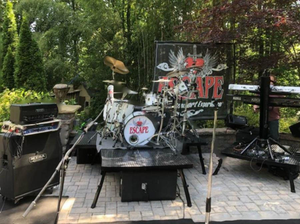
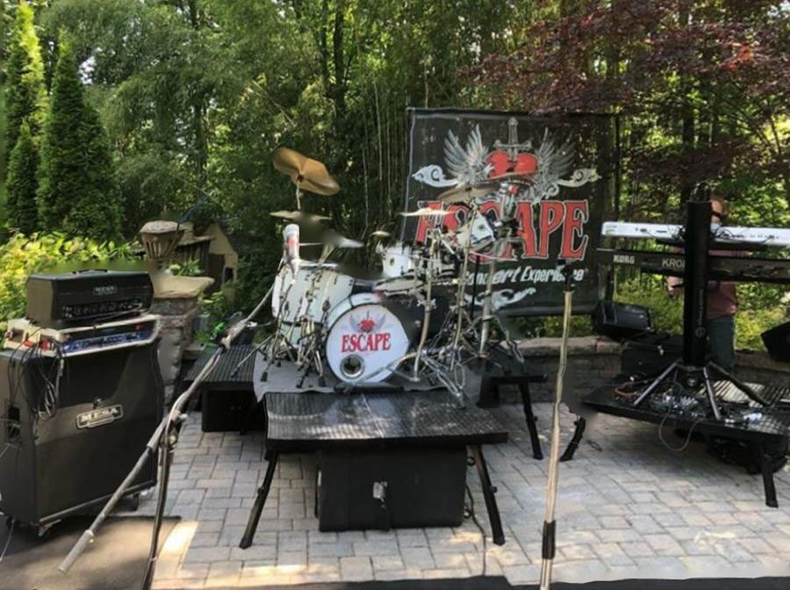
- A support zone for band gear, keys, amps, DJ table
- A transition zone for walk-ons and walk-offs, usually near stairs
Once you think in zones, your flexible stage configurations practically design themselves. You also make your crew's life easier because placement becomes repeatable.
Height Changes Create Instant Energy
You do not need a complicated build to get a big visual payoff. A single riser level for drums, a choir row, or a DJ booth changes the whole feel. It also helps the audience see faces instead of just the top of someone's head.
Keep it practical.
- Low risers feel clean and safe for speakers
- Mid-height tiers help choirs and bands
- Multiple levels can work great when the event has “acts” and you want clear separation
Just remember, height adds responsibility. Stable legs, proper locking, and rail options matter. A great look is only great when it is solid underfoot.
Creative Modular Stage Designs
Once you've got reliable decks and connectors, the fun part starts. Creative modular stage designs let you shape the platform to match the program and the room. You can keep the same inventory and still make each event feel custom, which is a big win for crews running back-to-back setups.
The Shapes That Get People Talking
This is where it gets fun. Creative modular stage designs are not about being fancy. They're about matching the room and giving the event its own identity.
Here are shapes that work in the real world.
- T-shape for runway moments with a strong center focus
- U-shape when you want an “in the round” feel, but still need a clear front
- L-shape for odd corners, tight dance floors, or split-purpose programs
- Long and shallow for panels and multi-speaker setups
- Center island for crowds on multiple sides, great for pep rallies and product demos
A modular system lets you build these without custom carpentry or last-minute sketchy platforms. That's the whole point.
Build Once, Reuse The Logic Everywhere
Your crew gets fast when the system is consistent. We like layouts that reuse the same “chunks” of staging.
Think of it like this. You build a standard 8 by 12 main platform block. Add a 4 by 8 thrust when you need it. Add a drum riser when you need it. Add a side wing when you need it. Those pieces can travel from a hotel ballroom to a school gym with the same setup rhythm.
Creative modular stage designs shine when you can repeat the build pattern, even if the final shape changes.
Make Your Stage Look Planned, Not Pieced Together
Modular does not have to look modular. The finish comes from details that people actually notice.
Skirting cleans up the edges and hides legs and cases. Matching deck heights keeps lines straight. Clean stair placement makes the whole platform look intentional. If you want a quick “pro” look, this is the easiest route.
This is also where good accessories pay off. When portable stairs lock in securely and land exactly where you need them, you stop wasting time on awkward entry points (and nobody wants that on show day).
Adaptable Staging for Events
Different venues and different seasons bring different constraints. Adaptable staging for events helps you handle tight footprints, outdoor surprises, and changing schedules without lowering quality. When your gear is modular, you can adjust the layout instead of compromising the show.
One Week, Three Totally Different Events
A lot of venues and production teams run into the same cycle.
- A corporate meeting on Tuesday
- A fundraiser on Friday
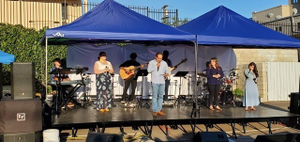
- A band or DJ event on Saturday
Adaptable staging for events means you can keep the same core gear and still make each setup feel custom. You adjust the footprint, add or remove tiers, shift stairs, and change the visual finish. The audience thinks it is a new build. Your crew knows it is smart planning.
Outdoor And Pop-Up Spaces Need Flexibility Even More
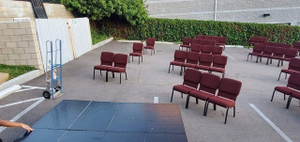
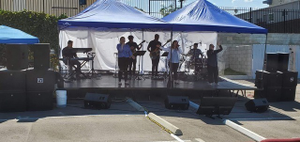
Outdoor events love to surprise you. A last-minute tent shift. A tighter footprint because of generators. A sloped area you did not expect. A modular stage helps because you can re-balance the layout and still keep it stable.
A few practical moves help a lot.
- Use smaller deck sections when access is tight
- Keep leg options ready for uneven surfaces
- Plan at least two stair locations in case the crowd line changes
- Add rails when the stage edge is close to foot traffic
Adaptable staging for events is not just about creativity. It is about staying calm when the site changes.
Safety And Accessibility Are Part Of The Design
If you want repeat clients, safety is not optional.
Plan for clean entrances and exits. Give presenters room to move. Use rails where needed. Keep cables managed. If you need ADA access, work ramps into the layout early so they do not feel tacked on.
Your event staging should look inviting, not intimidating. When guests can get on and off the platform easily, everything runs smoother.
Portable Stage Add Ons That Make Layouts Work
A portable stage is only as smooth as the details around it. Stairs, rails, and skirting are what make the platform feel welcoming, safe, and camera-ready. When these pieces are designed to lock in cleanly, your crew moves faster, and your setup looks more professional.
Stairs, Rails, And Edges Are Not Afterthoughts
The deck gets all the attention, but the add-ons keep the show running.
Use portable stairs where people naturally approach. Put them where cameras will not catch awkward climbing. If you have multiple presenters or award walk-ons, two stair sets can prevent traffic jams. That alone makes the event feel more polished.
Rails matter when you have height, kids, crowded wings, or fast changeovers. Skirting matters when you want that clean front-of-house look. These pieces are small, but they are the difference between “we built a platform” and “we built a stage.”
Speed Comes From Labeling And Repeatable Kits
Want faster setup without cutting corners? Build a kit and stick to it.
- Label deck sections and legs by height
- Keep clamps, pins, and hardware in the same cases every time
- Assign a consistent build direction so everyone knows the next step
- Store stairs and rails with their matching connectors
When you run flexible stage configurations regularly, your process becomes muscle memory. That is how you get speed and consistency together.
Where Mystage-Style Modular Gear Fits Best
If you're using a portable stage system for frequent changeovers, durability and tight connections matter. Aluminum frames, non-slip decks, and hardware that locks in cleanly make a difference on day ten, not just day one. The right modular staging also helps you expand over time without replacing everything.
If you're planning a season of events, it's worth building a core set you can rely on, then adding decks, risers, and accessories as your shows grow.
Final Thoughts and Your Next Step
Creative events do not come from luck. They come from having tools that keep up with the plan, even when the plan changes at the last minute (because it will).
Flexible stage configurations give you the freedom to build runway looks, band-ready platforms, speaker setups, and multi-level designs with the same core gear. Creative modular stage designs help you put personality into each event without reinventing the wheel. Adaptable staging for events keeps your crew faster, your clients happier, and your setups safer.
If you want your next event to look intentional and run smoother, start with a modular system that can scale and reconfigure without drama. Check out our modular platforms, stairs, and accessories, and build a kit that fits the kinds of shows you run most.
FAQs
1. How to configure stages for unique events?
Start with sightlines, then build zones for the main action, support gear, and walk-ons. Add risers only where visibility helps, and place stairs where traffic naturally flows.
2. What shapes can modular stages form?
Rectangles and squares are easy. You can also build T-shapes, U-shapes, L-shapes, long shallow platforms, and center island layouts, depending on your deck inventory.
3. Are configurations quick to adjust?
Yes. With modular decks and consistent leg sets, you can add a thrust, shift width, or add a riser tier quickly, especially if parts are labeled and organized.