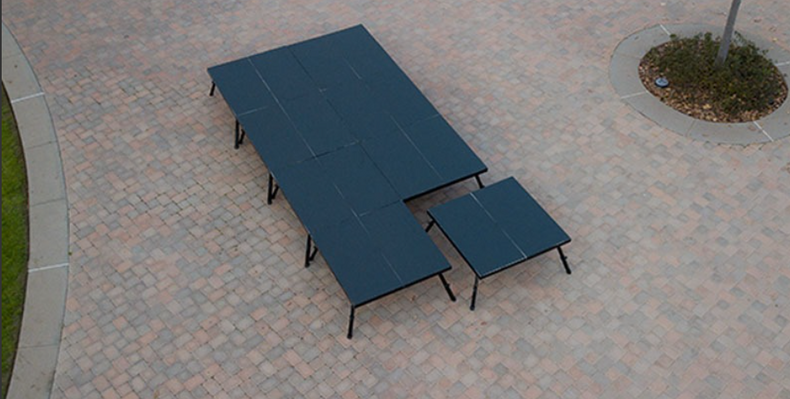
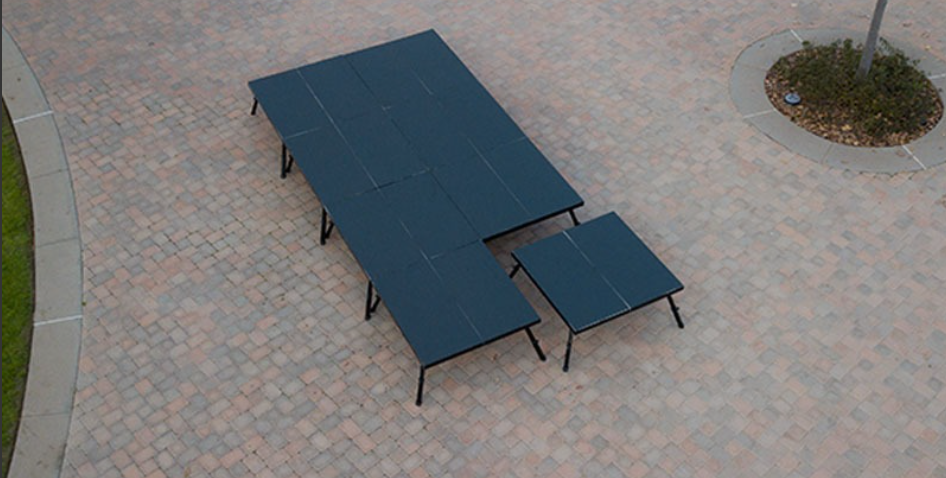
No matter the event, the stage is the heart of it all. Whether it's a corporate summit, a massive music festival, or a graduation ceremony, everything happens on that stage. And when it comes to the safety of the performers, crew, and audience, there's no room for shortcuts. Without the right safety practices, things can go wrong fast, and that means delays, accidents, or worse, canceled events. However, when you have the right stage setup and procedures in place, your event is well-positioned for success.
Key Highlights
- Stable load-rated decks form the foundation of safe staging.
- Non-slip coatings prevent slips and falls during shows.
- Guardrails, stairs, and ramps improve accessibility and protection.
- Weatherproofing keeps outdoor stages secure under harsh conditions.
- Regular inspections extend equipment lifespan and reliability.
When organizers consider investing in a stage for sale instead of renting, safety becomes a long-term responsibility. Ownership means the same system is used across dozens of events, so durability, compliance, and ongoing maintenance are critical.
Load Ratings and Stability
Every stage platform has a limit, and it's crucial to stick to it. These load ratings indicate the maximum safe weight your stage can handle. If you ignore these ratings, you're putting everything at risk, including the safety of the performers, crew, and audience.
It's not just about the performers; think about the heavy gear like speakers, amplifiers, or drum kits. It adds up fast. And if the load isn't spread out evenly? That can cause instability and make the whole setup a lot riskier. Safe portable stage tips include knowing how to distribute the weight across the stage properly so everything stays balanced.
Keeping Things Solid with Non-Slip Surfaces
Slips are one of the most common issues on stage. Whether it's from drinks, sweat, or rain, things can get slippery fast. With the right non-slip coatings, we make sure the stage stays safe, even under tough conditions.
Our decks are coated with a non-slip surface that makes sure performers and crew stay on their feet no matter what. And this isn't a one-time fix. At high-traffic events, especially festivals, it's key to clean and inspect the stage between acts to avoid accidents.
Guardrails, Stairs, and Accessibility Ensure Safety for Everyone
Safety is for everyone. That means you need guardrails to prevent anyone from falling off raised platforms, plus proper stairs and ramps for easy access to the stage. This also ensures that anyone who needs to get on or off the stage can do so safely and efficiently.
When dealing with large portable concert staging, such as that used in festivals, this is even more critical. Multiple connected decks, risers, and catwalks need to be secure and stable to handle the heavy foot traffic and potential vibrations from the crowd. It's important that every joint between decks is locked and reinforced. Event stage safety guidelines call for these additional precautions, especially when you're dealing with larger crowds and larger stages.
Crew Safety During Setup
A safe stage setup starts with a safe crew. It's essential that your team is trained on safe portable stage tips to minimize risks during assembly. This includes using proper lifting techniques and knowing the right workflow to avoid injuries.
We know that modular platforms can be heavy and awkward, but our designs ensure tool-free setups, which reduces the chances of misalignment or pinched fingers. And don't forget about the transport carts because they're a game-changer. These help reduce the need for heavy lifting, especially in tight spaces, keeping your crew safe and your setup efficient.
Weather Protection for Outdoor Events
Outdoor events bring their own set of challenges. Rain, wind, and sun can all put a damper on things. That's why we focus on weatherproofing. Aluminum frames resist corrosion, and composite decks prevent warping or swelling.
Having the right materials for your outdoor events ensures that you don't have to worry about the elements ruining the show. But just in case, it's always smart to have a plan in place for pausing or rescheduling if weather conditions cross into unsafe territory.
Inspections and Ongoing Maintenance
It's easy to overlook regular maintenance when everything appears to be fine. But just like you wouldn't skip checking your sound system or lighting rig, you shouldn't forget smaller components like stage risers. Regular inspections are a must.
Before every event, make sure to check the bolts, clamps, and locking mechanisms to ensure everything is secure. A quick scan for cracks or wear can save you a lot of trouble down the road. Keeping a maintenance log will also help you stay ahead of potential issues and make sure your equipment stays in top shape. A little maintenance goes a long way in avoiding downtime and, most importantly, keeping everyone safe.
Final Thoughts
Safe staging is the foundation of flawless events. By sticking to safety practices for event staging, using non-slip surfaces, securing access with guardrails and ramps, and keeping your equipment in top condition, you're setting yourself up for a smooth event with minimal risks.
Investing in high-quality stages and prioritizing crew training ensures that your event runs safely and efficiently. So, let the focus stay on what matters most, the performance. With a solid, secure stage, you can rest easy knowing everyone is safe and ready to shine.
FAQs
1. What load capacity do stages need?
Professional stages are usually rated at 125 pounds per square foot or more. This is enough to safely support performers, equipment, and movement during a performance.
2. How can I avoid stage instability?
Spread the weight out evenly across the stage, check that all clamps are secure, and ensure the adjustable legs are level. For outdoor setups, don't forget the ballast to counteract wind.
3. Why are non-slip surfaces essential?
Slips are the leading cause of stage accidents. Non-slip coatings make sure performers and crew stay safe, even if there's rain, sweat, or spills. It's an essential safety feature.