Imagine the lights dimming, the crowd waiting in anticipation, and the performers stepping onto the stage. The music starts, and the dancers come alive. Every twist, turn, and leap relies on a stage that offers both functionality and flair. If your stage isn't up to the task, it's not just the dancers who feel it — the whole show can fall flat.
When it comes to stages for dance performances, choosing the right one can make or break the energy of the event. Whether you're setting up for a local recital, a large-scale dance competition, or a high-profile performance, the right stage system will provide the foundation for flawless execution.
Key Highlights
- Stages for dance performances need solid, slip-resistant surfaces for safety and precision
- Dance floor staging options offer flexibility and adaptability to match any performance style
- Portable stages for dancers allow quick setups and takedowns for touring or limited spaces
- Using accessories like portable stairs can enhance accessibility and safety without slowing down setup
- Investing in the right event staging tools ensures a professional finish for your show
Stages for Dance Performances
A great dance performance starts with a stage that allows performers to shine. From tap to ballet to hip hop, each style demands specific features, and it's essential to choose a system that works with the choreography, not against it. When selecting stages for dance performances, there are a few key considerations to keep in mind:
Choose a Surface That Supports Performance
The surface of the stage plays a critical role in the dancer's performance. Too slippery, and there's a risk of injury; too grippy, and it becomes difficult to glide or turn.
For most dance styles, a smooth, firm, and slip-resistant surface is ideal. Wood finishes or specialized dance flooring can provide a high-quality, non-slip surface. Many dance floor staging options can be customized with wood finishes or slip-resistant coatings that offer the perfect balance of traction and slide, ensuring dancers can perform at their best.
Adjustable Sizing and Portability
Another crucial factor in stages for dance performances is the ability to adjust the size and portability of the platform. Whether you're hosting a small recital in a school gymnasium or a large show in an auditorium, having a portable stage that can expand or shrink based on the needs of the performance is invaluable.
When planning for a performance, consider modular systems that can be customized in size. Portable stages can also be stored and transported easily, making them ideal for touring companies or events that require a fast setup and breakdown.
Stability and Durability
A stage is only as good as its foundation. Make sure the system you choose offers stability and durability, especially when dancers are moving at high speeds or performing jumps and lifts. The structure should be able to support heavy movements without risk of wobbling or collapsing.
Stability Through Modular Design
Modular stages are great for dance floor staging options because they allow for customized setups. These stages can be locked together to form a seamless platform, eliminating any gaps or unstable areas that could disrupt a dancer's performance.
Dance Floor Staging Options
Every dance performance is unique, and dance floor staging options should match that versatility. Some performances need wide, open space, while others may require different levels or multiple surfaces for a dynamic effect. Here's how to make the most of your staging system:
Multi-Level Staging for Dramatic Impact
For performances that feature more than one type of dancer or act, multi-level platforms can create a dynamic visual effect. This is especially useful for dance performances that include multiple styles or choreography that requires elevation changes.
Adding a riser for a soloist or group can highlight specific performers. Stairs and ramps should be strategically placed to allow for smooth transitions between levels. If you're setting up for a recital, consider using portable stairs to provide easy access to different levels for performers.
Customizable Staging for Different Dance Styles
Different dance styles demand different setups. For example, a ballet performance will often require a smooth, flat surface, while a tap dance performance might benefit from a stage that amplifies sound. For more energetic styles like hip hop or modern dance, having a flexible stage setup that accommodates complex moves is key.
Easy Setup and Breakdown
One of the most appealing features of portable stages for dancers is how quickly they can be set up and taken down. If you're working in a venue that hosts multiple events, having the option to reconfigure the stage layout for each performance type is invaluable. Modular systems allow for quick changes to the size, shape, and structure of the stage, without disrupting the flow of the show.
Safe and Accessible Entry Points
When dancers move on and off the stage, the entrances and exits need to be safe, clear, and accessible. This is where portable stairs come into play. Adding stairs to your stage setup ensures that dancers can enter and exit safely, especially when the stage is elevated or multi-leveled.
Portable Stages for Dancers
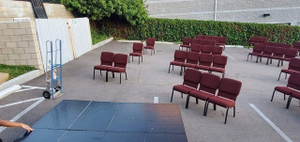
One of the most significant advantages of portable stages for dancers is their flexibility. Whether you're performing in a theater, gymnasium, or outdoor venue, portable staging allows for quick changes in the layout and ensures a consistent, professional experience for dancers and the audience.
Versatility for Various Venues
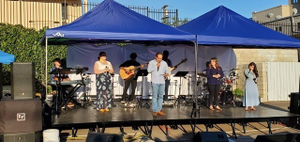
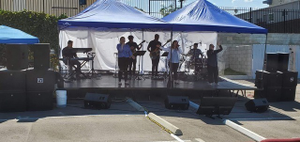
Portable stages are ideal for venues with limited space. You can configure the platform to fit the available space, maximizing the area for dancing while maintaining a professional appearance. These stages can be used in theaters, schools, community centers, or even outdoor settings, making them perfect for touring performances.
Portable stages can be scaled to meet the size requirements of the performance. You can opt for smaller sections for intimate dance routines or larger setups for grand productions. The best part is that they are lightweight, easy to transport, and quick to assemble.
Long-Lasting and Durable Design
Dancers perform on their feet, so it's important that the portable stage you choose is built to withstand repeated use without wear and tear. Look for stages for dance performances that are constructed from durable materials like aluminum or hardwood. These materials will not only provide the necessary support but will also keep the stage in top condition for years.
Accessories to Improve Dance Performances
When you're creating a stage for dance, it's the little details that make a big difference. Accessories like portable stairs, skirting, and railing can improve safety and the overall appearance of your setup.
Portable Stairs
For elevated stages, portable stairs are a must. They provide safe access for dancers, ensuring they can confidently enter and exit the performance space. Stairs should be sturdy, slip-resistant, and easy to move into position.
Skirting and Rails
If your stage is elevated, skirting will conceal the legs of the stage and create a neat, professional look. Rails can be added for additional safety, particularly if the stage is high off the ground or in venues where there's heavy foot traffic around the performance space.
Sound and Lighting Integration
For an immersive experience, integrate sound and lighting equipment into your portable stage setup. Modular stages offer attachment points for lighting trusses and sound equipment, so you don't have to worry about last-minute fixes. This ensures that the performance space is optimized for both dancers and the audience.
Make Your Next Dance Performance Unforgettable
The right dance floor staging options can elevate your performance, creating a stage where dancers can move freely and express themselves fully. Whether you're setting up for a local recital or a high-profile dance competition, the stages for dance performances you choose play a critical role in the overall success of the event. With the right stage system, dancers have the space, safety, and support they need to shine.
Investing in portable stages for dancers, especially those that can be customized and easily adjusted, ensures you'll have the perfect setup for any venue or performance style. From smooth surfaces to multi-level risers and essential accessories like portable stairs, your stage can be as dynamic and adaptable as the performers on it.
Ready to make your next performance flawless? Check out our event staging solutions that offer durability, flexibility, and ease of setup to ensure your dancers are always in the spotlight.
FAQs
1. What's the best surface for dance stages?
The best surface for dance stages is a smooth, firm, and slip-resistant one. Wood finishes and specialized dance flooring offer the ideal balance of traction and slide, allowing dancers to perform at their best while minimizing the risk of injury.
2. How to ensure slip-resistant stages?
To ensure a slip-resistant stage, choose a surface with a non-slip coating or opt for dance floor staging options designed specifically for performance use. These surfaces provide the right amount of grip for dancers while preventing slipping.
3. What height suits dance risers?
For most dance performances, risers should be low to mid-height. A height of 6 to 12 inches works well for adding depth and visibility to the performance. However, depending on the choreography, you may need taller risers to achieve a dramatic effect.