
By venue
Portable Stage for a Bar, Brewery, or Small Live Music Venue
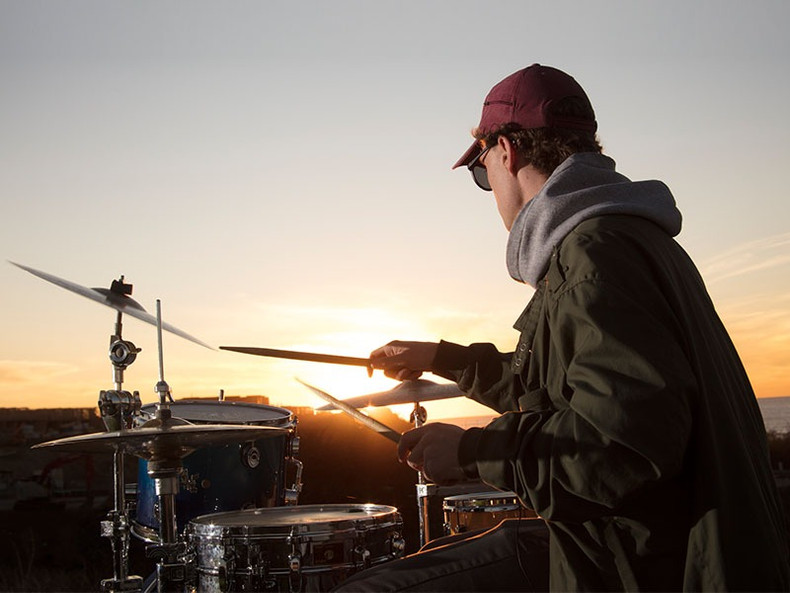
|
A bar or brewery that runs weekly live music has two stage options: build a permanent stage for $5,000 to $20,000 that is fixed in size, fixed in position, and requires permits — or buy a MyStage portable setup for $1,260 to $5,775 that pays for itself in 4 to 5 live music nights, stores in the storeroom between events, and moves within the venue when the floor plan changes. The portable stage wins on every metric except one: it does not look permanently built. Black satin skirting ($58/panel) solves that. |
The live music venue stage decision is not complicated when the numbers are on the table. A bar drawing 100 guests at a $10 cover generates $1,000 in cover revenue per event. A $4,299 stage investment recovers in 4 to 5 events. After that, the stage is paid for and every live music night runs on cleared margin. The permanent stage alternative costs more upfront, cannot change size, and occupies floor space that limits capacity on non-music nights.
This guide covers stage sizing for every bar and brewery format — from acoustic duo tap room stages to full headline venue band setups — the height that works for standing bar crowds, storage in standard venue storerooms, and the break-even math that makes the ownership decision clear.
Stage Sizing by Venue and Act Type
|
Bar and brewery stage size is determined by the largest act the venue intends to book regularly. A tap room that hosts acoustic duos needs 4'x8'. A neighborhood bar hosting local bands with drums needs 8'x12'. A music-first venue with touring acts needs 8'x16' minimum. Size for the act type you are trying to attract — undersizing the stage limits which acts you can book and how seriously touring musicians take the inquiry. |
|
Venue Format |
Act Type |
Stage Size |
Deck Count |
Package Price |
|---|---|---|---|---|
|
Coffee shop / tap room |
Solo, acoustic duo |
4'x8' |
2 decks |
$1,260 |
|
Neighborhood bar |
Local bands, acoustic to electric |
8'x8' to 8'x12' |
4 to 6 decks |
$2,480–$4,299* |
|
Bar and grill / sports bar |
Local and regional bands |
8'x12' |
6 decks |
$4,299* |
|
Music-focused bar |
Regional and touring acts |
8'x16' |
8 decks |
$5,775* |
|
Larger music venue |
Touring headliners, full production |
8'x20' to 12'x20' |
10 to 15 decks |
$7,080–$9,900 |
|
Outdoor beer garden |
Seasonal live music |
8'x12' to 8'x16' |
6 to 8 decks |
$4,299*–$5,775* |
*Package pricing includes decks, railings, and skirting. Browse at shop all stages.
Bar Stage Height: Standing Crowds and Low Ceilings
|
Bar and brewery stages work best at 17 to 20 inches — the lowest end of the standard MyStage leg range. This height elevates performers above the sightline of a standing bar crowd without pushing them into ceiling fans, ductwork, or the 9-foot ceilings common in converted commercial bar spaces. At 17 inches, a standing audience of 80 people can see the performer over the heads of the front rows. At 20 inches, the visual is clear for a crowd of 150 to 200 in a longer bar footprint. |
|
Venue Ceiling Height |
Crowd Type |
Recommended Height |
Notes |
|---|---|---|---|
|
8 to 9 feet (low bar) |
Standing crowd |
17 inches |
Ceiling fans and ductwork limit height |
|
9 to 11 feet (standard bar) |
Standing or mixed |
17 to 20 inches |
Full standard leg range available |
|
11 to 14 feet (tall bar/warehouse) |
Standing crowd |
20 to 24 inches |
More elevation improves rear-crowd visibility |
|
Open outdoor (beer garden/patio) |
Standing or seated |
20 to 24 inches |
No ceiling constraint — height for visibility |
|
Listening room (seated audience) |
Seated |
20 to 24 inches |
Rear-row seated needs more elevation than standing |
The Break-Even Math: How Fast the Stage Pays Off
|
A venue that charges a cover for live music nights recovers the stage investment directly in cover revenue. A bar averaging 80 guests at $8 cover generates $640 per event. The $4,299 stage investment recovers in 6 to 7 live music nights. A venue averaging 120 guests at $10 cover recovers it in 3 to 4 nights. After break-even, every live music event runs with the stage cost already recovered — zero ongoing staging expense for the lifetime of the hardware. |
|
Average Attendance |
Cover Charge |
Revenue per Night |
Nights to Break Even (8'x12' pkg) |
|---|---|---|---|
|
50 guests |
$5 |
$250 |
17 nights (~4 months weekly) |
|
80 guests |
$8 |
$640 |
7 nights (~2 months weekly) |
|
100 guests |
$10 |
$1,000 |
4 to 5 nights (~1 month weekly) |
|
150 guests |
$10 |
$1,500 |
3 nights (under 1 month weekly) |
|
200 guests |
$12 |
$2,400 |
2 nights (2 weeks weekly) |
Venues that do not charge cover recover the investment through increased bar revenue on live music nights. Industry data consistently shows that live music nights drive 20 to 40% higher bar spend per guest than non-music nights. At average bar spend of $25 per guest and a 25% revenue lift, 100 guests on a live music night generates $625 in incremental bar revenue versus a quiet night — the stage pays for itself in 7 to 8 live music events even with no cover charge.
|
Expert Insight "Every venue owner who runs the break-even math reaches the same conclusion: the stage is the cheapest piece of equipment in the room relative to what it returns. The bar stools cost more than the stage. The POS system costs more than the stage. And neither of them generates a single dollar of incremental revenue on their own." — MyStage Corp |
Drum Riser: Essential for Full-Band Bar Stages
|
Any bar stage that books full bands with a drum kit needs a drum riser adjacent to the main stage at 4 to 6 inches of elevation above the main platform. A drum kit on a flat main stage places the drummer at the same visual level as the front performers — the drummer disappears behind the guitarist and vocalist in standing-crowd sightlines. A drum riser at 21 to 26 inches (with the main stage at 17 to 20 inches) elevates the drummer above the front line, making the full band visible simultaneously from anywhere in the room. |
Drum riser uses 2 to 4 MyStage decks (4'x8' to 8'x8') positioned at the rear of the main stage at a higher leg setting. For a bar stage at 17 to 20 inches, the drum riser sits at 21 to 26 inches — a 4 to 6 inch elevation above the main platform. The riser and main stage are separate platforms that adjoin at the rear edge.
Storage: In the Storeroom, Not Offsite
|
A 6-deck bar stage stores in 6 gear bags ($88 each) stacked against a wall in a standard venue storeroom, behind the bar in a utility closet, or in a side room — approximately 4'x6' of floor space. The stage is completely out of the way for regular service nights, quiet drink nights, and private buyout events that need full floor capacity. On live music nights, two staff members deploy the full stage in 15 to 20 minutes before doors open. After the show, same two people break it down in 15 minutes. |
- 6-deck 8'x12' stage stores in 6 gear bags — approximately 4'x6' flat or stacked against a wall in any utility room.
- No truck required. No offsite storage facility. No monthly storage fee. No availability dependency on an external supplier.
- Deploy on live music nights. Stow on regular service nights. Full floor capacity available whenever the stage is not needed.
- The same floor space serves 20% more covers on non-music nights when the stage is stowed — a direct revenue benefit of portability over a permanent fixed stage.
Read the full storage system guide at portable stages. Compare portable versus permanent stage investment at the portable vs permanent guide. Review PE-certified load ratings at tech certifications. Contact MyStage at 858-229-8388 for venue pricing.
Frequently Asked Questions
What size stage does a bar or small music venue need?
Solo or acoustic duo: 4'x8' (2 decks, $1,260). Full band with drums: 8'x12' (6 decks, $4,299 package). Regional touring act: 8'x16' (8 decks, $5,775 package). Size for the largest act you plan to book — the stage does not need to change between act sizes.
How quickly does a bar stage pay for itself?
A bar averaging 100 guests at $10 cover generates $1,000 per live music night. A $4,299 stage package pays for itself in 4 to 5 events. Venues running weekly live music recover the investment within the first month. Even without cover charges, the documented 20 to 40% bar revenue lift on live music nights drives break-even within 7 to 8 events.
Is it better for a bar to build a permanent stage or buy a portable one?
For most bars, portable wins: lower cost ($4,299 vs $5,000 to $20,000 permanent), no permits, flexible sizing, moveable within the venue, and no floor space permanently sacrificed on non-music nights. The only advantage a permanent stage has is a built-in look — black satin skirting on a portable stage delivers the same visual result.
What height should a bar stage be?
17 to 20 inches for most bar environments. This clears a standing crowd sightline without pushing performers into low ceilings. For venues with 8-to-9-foot ceilings, 17 inches is the correct setting. For taller spaces or seated listening rooms, 20 to 24 inches improves rear-row visibility.
Can a portable stage handle weekly live music bookings?
Yes. AL6005-T5 aluminum alloy, PE-certified to 3,400 lbs per deck, designed for repeated assembly and disassembly. A 15-minute post-event maintenance routine — surface wipe, leg mechanism check, connector inspection — keeps the platform in full performance condition across years of weekly use.
How do you store a bar stage when not in use?
6-deck stage stores in 6 gear bags ($88 each) in 4'x6' of floor space — any utility closet, storeroom, or back-of-bar storage area. No offsite storage, no truck, no monthly fees. Deploy in 15 to 20 minutes for live music nights. Stow in 15 minutes after the show.
How much does a complete bar stage cost?
Solo/duo tap room stage (4'x8'): $1,260. Standard band stage with drum kit (8'x12' package with railings and skirting): $4,299. Full headline venue stage (8'x16' package): $5,775. Add one stair unit ($299). At $1,000/night cover revenue, the 8'x12' package pays for itself in 4 to 5 live music nights.